

The best sleep mask for light sleepers seals out light around the nose bridge and edges, sits off your eyes, and takes the edge off background noise. Softness alone won't do it. Fit, seal and sound control decide whether you stay asleep.
If a hallway light, a 5 a.m. delivery truck or a partner's phone glow keeps pulling you out of sleep, a thin strip of fabric rarely helps. This guide explains why light sleepers wake so easily, what to check before you buy, and how the Hypnuse range fits different bedrooms, from a simple blackout mask to a full AI sleep mask. Specs and prices come from the Hypnuse product pages.

Who counts as a light sleeper?
"Light sleeper" isn't a diagnosis. It's what people call themselves when small disturbances keep winning: a creaking door, a streetlamp, a snoring partner. Everyone drifts through lighter and deeper stages overnight. Light sleepers simply seem to surface more easily, and getting back under takes a while.
Some lives make it harder. Shift workers sleeping in daylight, frequent travelers in unfamiliar rooms and city dwellers with lamps outside the window all deal with more interruption than the average bedroom delivers. The World Health Organization's night noise work names shift workers, older adults, children and people with health conditions as groups hit harder by noise at night.
Here's the encouraging part. Light and sound are two of the few sleep disruptors you can change tonight. You can't rewire your nervous system, but you can control what reaches it. Why does that matter so much? Because every small wake-up costs you more than the seconds it lasts. It takes time to settle again, and the next sleep cycle starts from a lighter place.
Why light and noise break up your sleep
Closed eyelids block less than most of us assume. In a Northwestern Medicine study, 20 healthy young adults slept either in dim light or in moderate room lighting. The National Heart, Lung, and Blood Institute reports that the brighter-room group had a higher heart rate and more insulin resistance the next morning. Researchers suspect the cause is extra sympathetic nervous system activity, your body's alert mode, running when it should be winding down.
Keep that in proportion. It's a small, short study, and one nightlight isn't a crisis. A separate NHLBI-supported study of adults aged 63 to 84 linked moderate light during sleep with obesity, diabetes and high blood pressure, but that shows association, not proof. The practical advice from the researchers is modest: avoid or minimize light during sleep where you can.
Noise works through a different door. The WHO notes that your ears and brain keep reacting to sound while you sleep, and it describes strong evidence that night noise raises heart rate and causes arousals, shifts in sleep stage and awakenings. Its community noise guideline recommends bedrooms stay under 30 dB(A) for good sleep. You don't need to fully wake for this to matter. A sound or flash can nudge you into a lighter stage, you forget it happened, and you pay for it at 3 p.m.
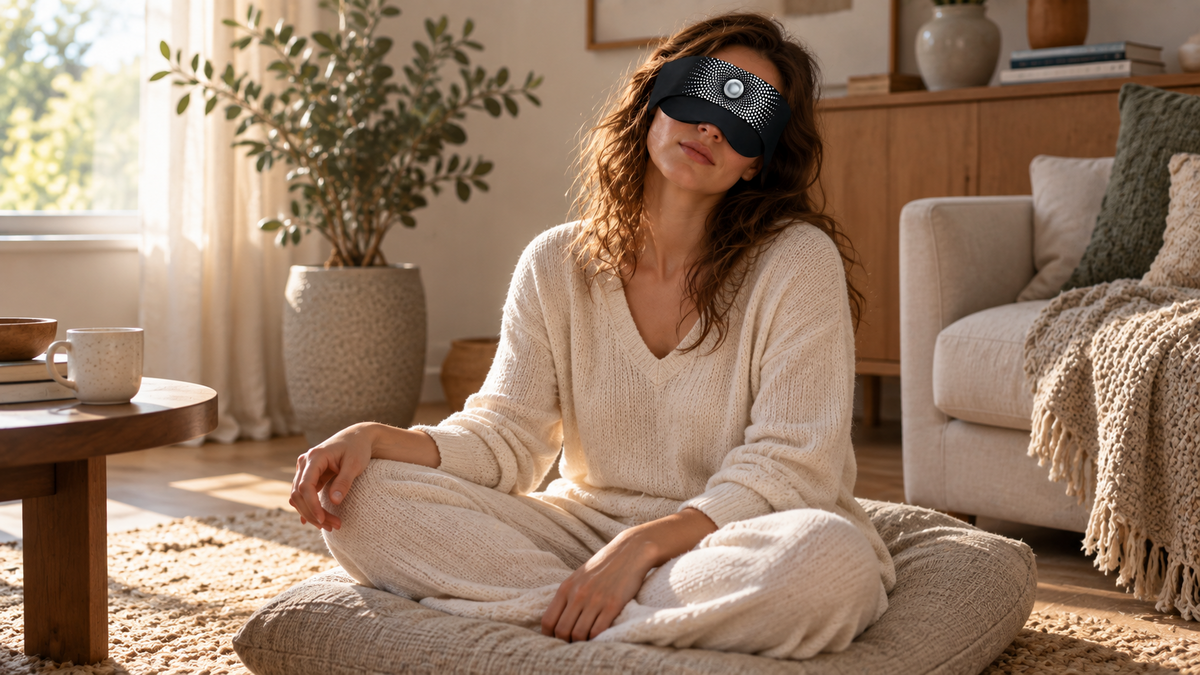
What a sleep mask for light sleepers actually needs
Most masks fail light sleepers for boring reasons: they gap at the nose, press on the eyelids, slip when you roll over, or ignore sound entirely. Run any mask, ours included, through this checklist.
| Feature | Why it matters | What to check |
|---|---|---|
| Nose-bridge seal | The most common light leak | A flexible bridge that follows your face |
| Eye clearance | Pressure on lids can wake you and mark skin | A raised eye cavity, so you can blink freely |
| Ear coverage | Softens snoring and traffic | Covers that sit over your ears |
| Weight and strap | Heavy or tight masks shift and irritate | Light build, adjustable fit |
| Washable pad | Skin oil weakens the seal over time | A removable, cleanable cushion |
| Sound options | Masks soften noise but can't silence it | Soundscapes or white noise if noise is your trigger |
Notice what's missing: fancy features. Heat, sensors and soundscapes can help, but only once the basics hold. A mask that leaks at the nose will undercut any spec sheet.
How the Hypnuse range fits light sleepers
Hypnuse designs around contoured shading at the nose and sides plus an elevated eye cavity, so nothing presses on your eyes. The range then splits by how much technology you want.
| Mask | Price | Best for | Key features |
|---|---|---|---|
| Hush | $35 | Blackout and quieter nights | 360° light seal, 24.5 dB passive noise reduction, 137g, washable aroma pad |
| Rhythm | $199 | Sound, warmth and tracking | Heating, built-in speakers, white and pink noise, pulse, heart rate and motion sensors, smart wake-up |
| Pro | $249 | The full AI experience | Five warmth levels, light therapy, 14 soundscapes, AI-adaptive sound, three sensors, magnetic charging |
| Core | $15 | Travel and backup | Non-electronic, portable |
Hush: blackout and softer sound for a modest price
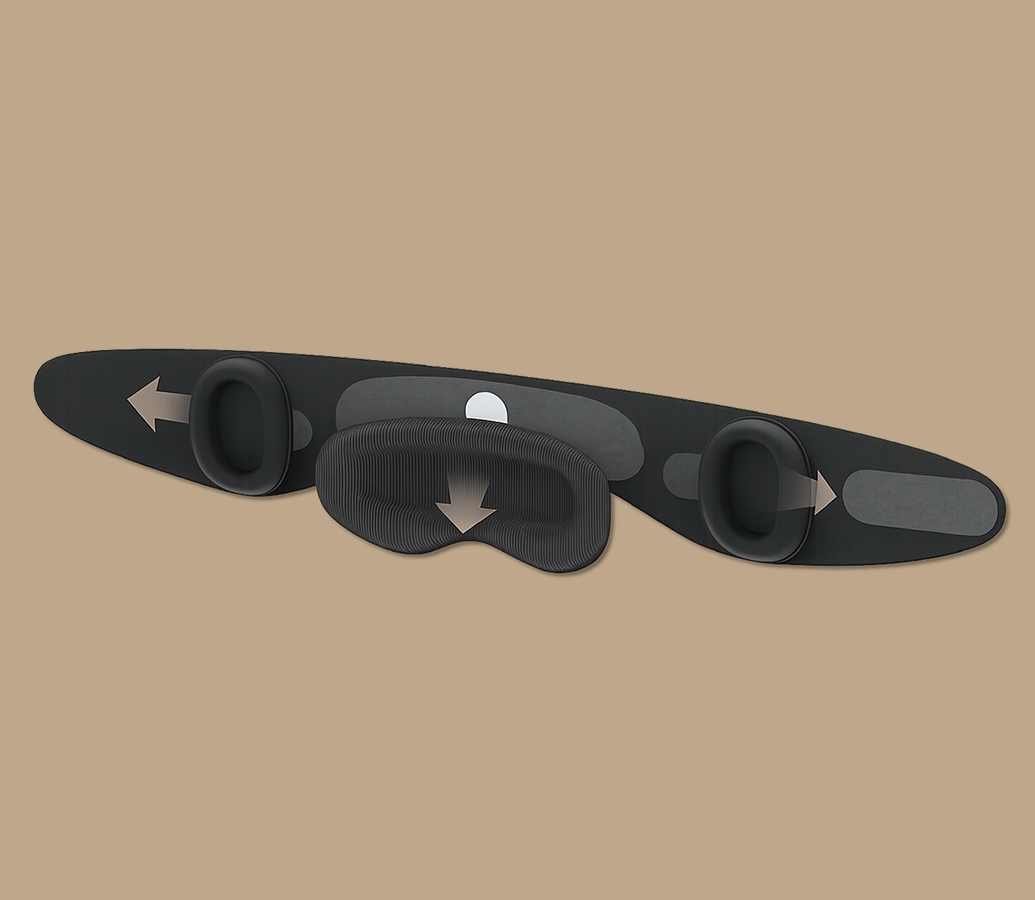
Hush is the sensible first step if light is your main trigger. The contoured eye area, flexible nose bridge and wraparound edge work as one continuous seal. The left and right ear covers slide independently, so you can line them up with your ears, and Hypnuse lists 24.5 dB of passive noise reduction. The eye cushion lifts out in seconds for hand washing, and a hidden pocket takes an optional aroma pad. At $35 with a six-month replacement warranty, it's a low-risk place to start.
Pro and Rhythm: sound, warmth and sleep tracking
If noise is irregular, like doors, a barking dog or traffic bursts, steady audio can help cover sudden changes. That's where the AI sleep mask series comes in. Hypnuse Pro combines five warmth levels from 38 to 46°C, light therapy modes, 14 built-in soundscapes and three sensors for pulse, heart rate and movement, in a 167g body. Hypnuse Rhythm offers heating, built-in speakers with white and pink noise, and a smart wake-up that fades audio in gently. Both pair with an app for bedtime schedules and comfort presets.

Core: the portable backup
At $15, Hypnuse Core is a non-electronic option for travel bags, hotel rooms and long flights.
Which mask suits which kind of light sleeper
Light sleepers aren't one group. Your trigger and your routine point to different choices:
- The city apartment sleeper. A streetlamp and passing traffic are the usual culprits. Start with Hush for the light seal and softer sound, then move up to an AI sleep mask if sudden traffic bursts still wake you.
- The shift worker who sleeps by day. Daylight finds every gap, so seal quality matters most. Rhythm and Pro add a smart wake-up that fades audio in gently, which beats a jarring alarm after a short, hard-won sleep.
- The frequent traveler. Keep Core in your carry-on as a lightweight backup, and use Hush when you want blackout plus noise reduction on long flights or in unfamiliar hotel rooms.
- The sleeper with a partner on a different schedule. Their phone glow and late-night movement are the problem. A blackout mask handles the light, and soundscapes help with snoring or restless shifting.
- The data-curious sleeper. If you like seeing what your night looked like, Pro and Rhythm track pulse, heart rate and movement, then show a sleep summary in the Hypnuse app.
Most people sit between two of these. That's fine. Pick the mask that solves your loudest problem first, then adjust after a week or two of real nights.
Passive noise reduction or soundscapes: which suits you?
Passive reduction means the physical cushioning blocks some sound, with no power and nothing to learn. The limit is honest and simple: it softens noise, it doesn't erase it. Low rumble and loud, sudden sounds still get through.
Soundscapes work differently. A steady layer of audio gives your brain something constant to settle on, so abrupt sounds register less. Some people love this, and some find audio distracting. Built-in speakers also mean no earbuds pressing into your ear when you sleep on your side. Our guide to white noise or soundscapes for sleep goes deeper on choosing.
A simple rule: if light wakes you, start with a blackout design. If sound is the culprit, add soundscapes. If it's both, the AI sleep masks cover both jobs.

Get the fit right before you blame the mask
A great mask worn badly still leaks. A few checks fix most problems:
- Test in bright light. Put the mask on in a lit room and look for glints at the nose and cheeks.
- Adjust for seal, not squeeze. An over-tight strap causes headaches and can lift the edges.
- Line up the ear covers. On Hush, slide each side until it sits over your ear.
- Check side-sleeping. Lie on your side and confirm nothing shifts or digs in.
- Keep the cushion clean. Oils and sweat weaken the seal and irritate skin.
Small bedroom habits that help any mask work harder
A mask shouldn't carry the whole job. Cover standby LEDs, turn the phone face down and close curtains fully. Morning light matters too. NHLBI sleep expert Marishka Brown has said sunlight during the day, especially early morning, helps regulate your circadian rhythm, which supports sleep at night. Keeping your schedule steady adds to that.
For more routines, browse the Hypnuse sleep tips page. Wondering whether the tech is worth it? Read our honest buyer's guide, are smart sleep masks worth it, and see how an intelligent wake-up works.
When a mask is not enough
A sleep mask is a comfort and environment tool, not a treatment. If you snore loudly, gasp at night, feel exhausted despite enough hours, or have struggled to sleep for several weeks, talk to a doctor. Stop using any mask, especially a heated one, if it causes irritation or discomfort, and ask a clinician first if you have an eye condition.
Final thoughts
Light sleepers don't need a miracle. They need a mask that seals, rests off the eyes and handles sound, plus a bedroom that cooperates. For most people, Hush is the best place to begin. If noise or tracking matters, the AI sleep masks add warmth, soundscapes and sleep data.
Ready to block more light and noise? Compare the full range in the Hypnuse AI sleep mask collection, or start with the Hypnuse Hush blackout mask.
Frequently asked questions
What is the best sleep mask for light sleepers?
Look for a contoured mask with a sealed nose bridge, raised eye cavity and ear coverage. Hypnuse Hush is built around those features, while Pro and Rhythm add sound and tracking for light sleepers who also struggle with noise.
Do sleep masks block noise?
Partly. Masks with ear covers can soften sound. Hypnuse lists 24.5 dB of passive noise reduction for Hush. No mask silences a room, so pair it with soundscapes if noise is the main issue.
Is it safe to wear a sleep mask every night?
For most people, yes, if it's comfortable, clean and doesn't press on the eyes. Wash the cushion regularly, and stop if you notice irritation. Check with a clinician if you have an eye condition.
Are smart sleep masks worth it for light sleepers?
It depends on your trigger. If light is the problem, a blackout mask may be enough. If noise or restless nights are the issue, built-in soundscapes and sleep tracking can justify the extra cost.
How do I stop light leaking around my nose?
Adjust the strap for a snug, not tight, seal, then test in a bright room. A flexible nose bridge that follows your face does most of the work.


