

Sleep used to be something you either got or didn't. Today your phone, your wrist and even your eye mask can measure it, learn from it and respond to it. That shift is what people mean by AI sleep technology, and it is changing how we approach rest at home. This guide explains what AI actually does for sleep, where it falls short and how to choose between a smart mask and a simple one.
What "AI sleep technology" actually means
Most AI sleep tools do three jobs. They sense signals such as heart rate, movement and temperature. They interpret those signals across many nights to find patterns. Then they respond by adjusting a wake-up time, guiding your breathing or changing how your device feels.
The useful part is rarely a single night's reading. It is the trend over weeks, which is hard to notice on your own.
Where AI genuinely helps
- Spotting patterns you can't feel. Tracking over time can show that late screens, irregular bedtimes or stressful days line up with your worst nights.
- Gentler wake-ups. Smart alarms aim to wake you during a lighter phase of sleep, which many people find easier than being pulled out of deep sleep.
- Guided wind-down. Breathing exercises before bed give your mind a clear signal to slow down. If stress keeps you awake, read The Link Between Sleep and Stress for the connection between the two.
- Comfort that adapts. Gentle warmth around the eyes is a simple way many people relax at the end of the day.
A calmer bedtime setup helps, and a blackout sleep mask with an aroma pad gives you a simple wind-down ritual.
This is the idea behind Hypnuse's AI sleep masks: real-time heart rate tracking, a five-level hot compress, intelligent wake-up and guided breathing in one mask. If you want to see how that works in practice, visit our How It Works page, or look at Hypnuse Pro: Immerse Edition and Hypnuse Rhythm.
What AI can't fix
Data does not make a room dark or quiet. Light and noise are two of the most common reasons people wake up or sleep lightly, and no algorithm removes them. The basics still come first.
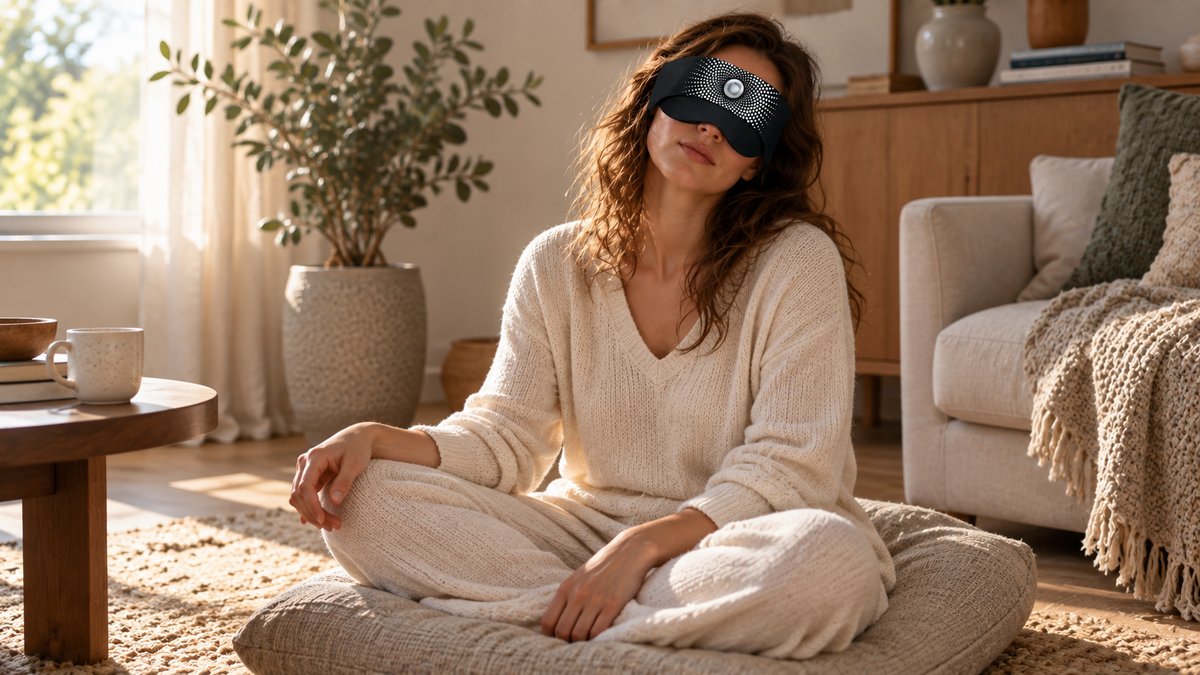
That is why the Hypnuse Hush eye mask focuses on the fundamentals. A contoured 360° light seal blocks stray light without pressing on your eyes, and it weighs just 137g.
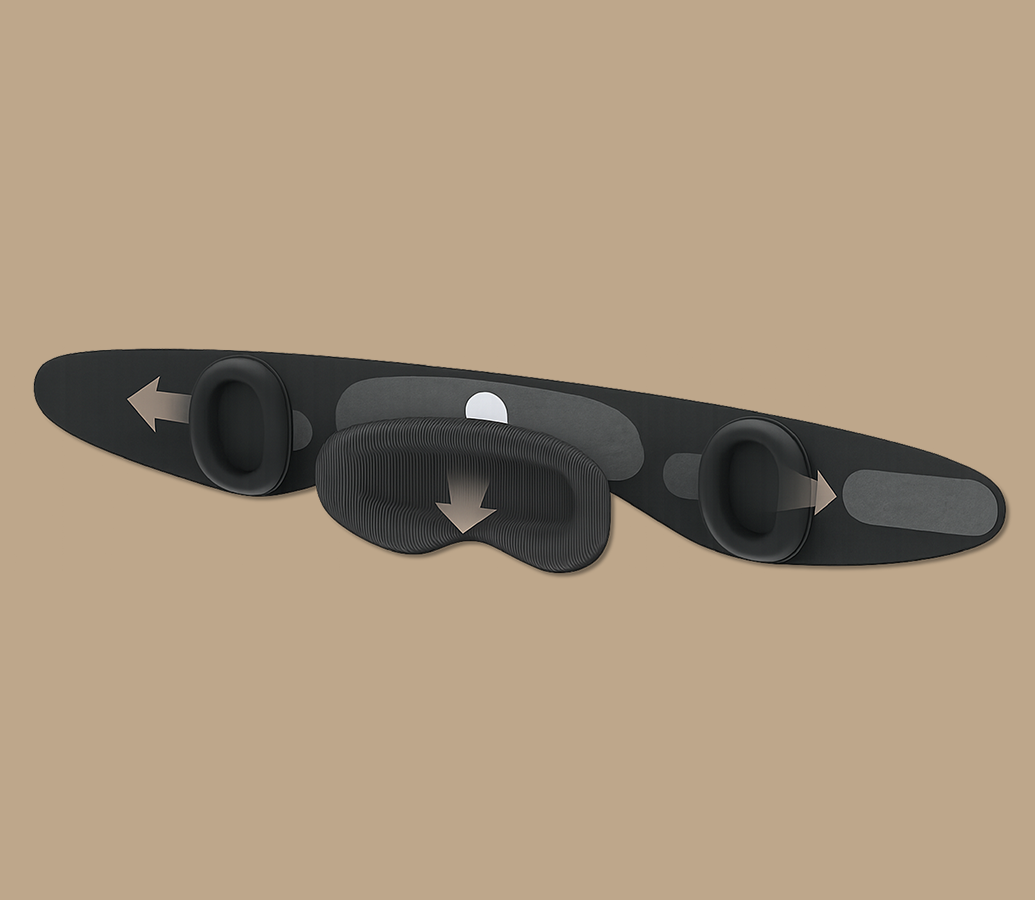
The ear covers slide independently so they sit over your ears, giving 24.5 dB of passive noise reduction against snoring, traffic and travel noise. At $35, it is a simple place to start.
Keep expectations realistic about tracking as well. Consumer devices estimate your sleep rather than measure it the way a sleep clinic does, so treat the numbers as trends, not a diagnosis. For more on common misunderstandings, read Top 5 Sleep Myths (and What Science Says Instead).
Light and noise are two of the easiest sleep disruptors to fix; the Hush sleep mask targets both with a 360° light seal and 24.5 dB noise reduction.
Smart or simple: how to choose
- You want the basics done well: the Hush eye mask ($35) covers blackout, noise reduction and an aroma-ready pad, and Hypnuse Core ($15) is the most affordable way into the range.
- You want tracking and guided features: Hypnuse Rhythm ($199) and Hypnuse Pro: Immerse Edition ($249, available in three colors) are the smart options.
- You are not sure yet: browse the full Hypnuse eye mask collection and compare.
Five habits that make any sleep tech work better
- Keep a steady bedtime and wake time, including weekends.
- Make the room as dark and quiet as you can, or use a mask to do it for you.
- Start winding down before bed with breathing or a calming routine.
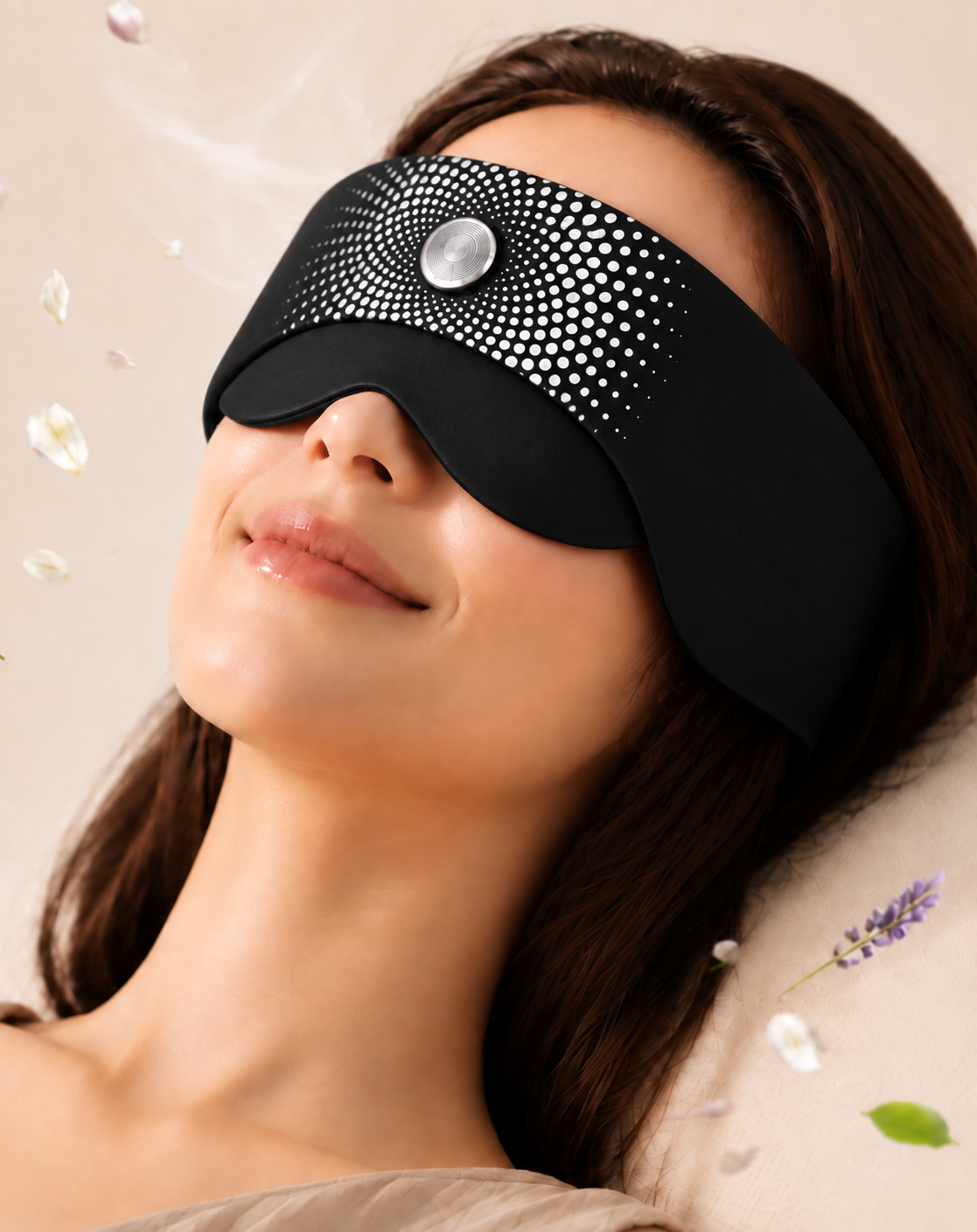
- Use a consistent ritual. A few drops of essential oil on the Hush aroma pad can become your cue for sleep.
- Judge your sleep by weeks, not single nights.
If you have persistent trouble sleeping, loud snoring with pauses in breathing, or heavy daytime tiredness, talk to a doctor. A mask or an app is not a treatment for a sleep disorder. For more practical advice, visit our Sleep Tips page.
Frequently asked questions
Can AI really improve my sleep?
It can help you notice patterns and build better routines. It cannot replace the basics of light, noise, timing and stress, and it cannot treat a sleep disorder.
Do I need an AI sleep mask to sleep better?
No. A well-fitted blackout mask such as the Hush solves the most common problems of light and noise. Smart features suit people who want tracking and guidance on top of that.
Are sleep tracker readings medical-grade?
Generally no. They are useful for spotting trends in your own sleep, but they should not be used to diagnose a condition.
Ready to build a better night? Explore the full Hypnuse eye mask collection, or start simple with the Hypnuse Hush eye mask.
If you want a simpler way to protect your sleep before moving to smart tech, the Hypnuse Hush eye mask blocks light and reduces noise without any setup.


